Product Designer | Enterprise Products & Technical Systems
Bangalore, India | reachvinay@gmail.com | +91 988 673 1225
→
Message Delivery Application - Modernizing Internal Tools
Role
UX Designer & Researcher
Project Overview
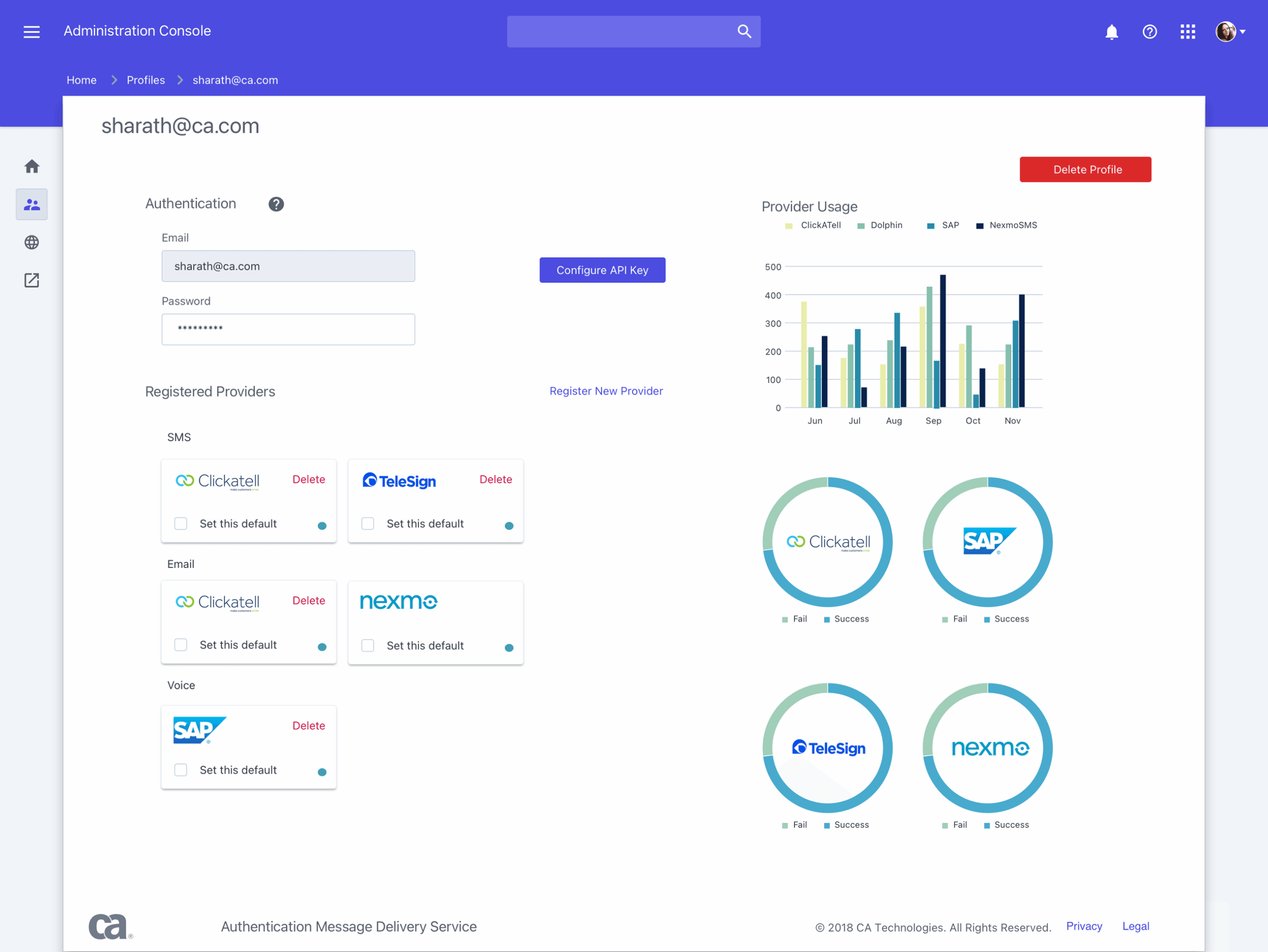
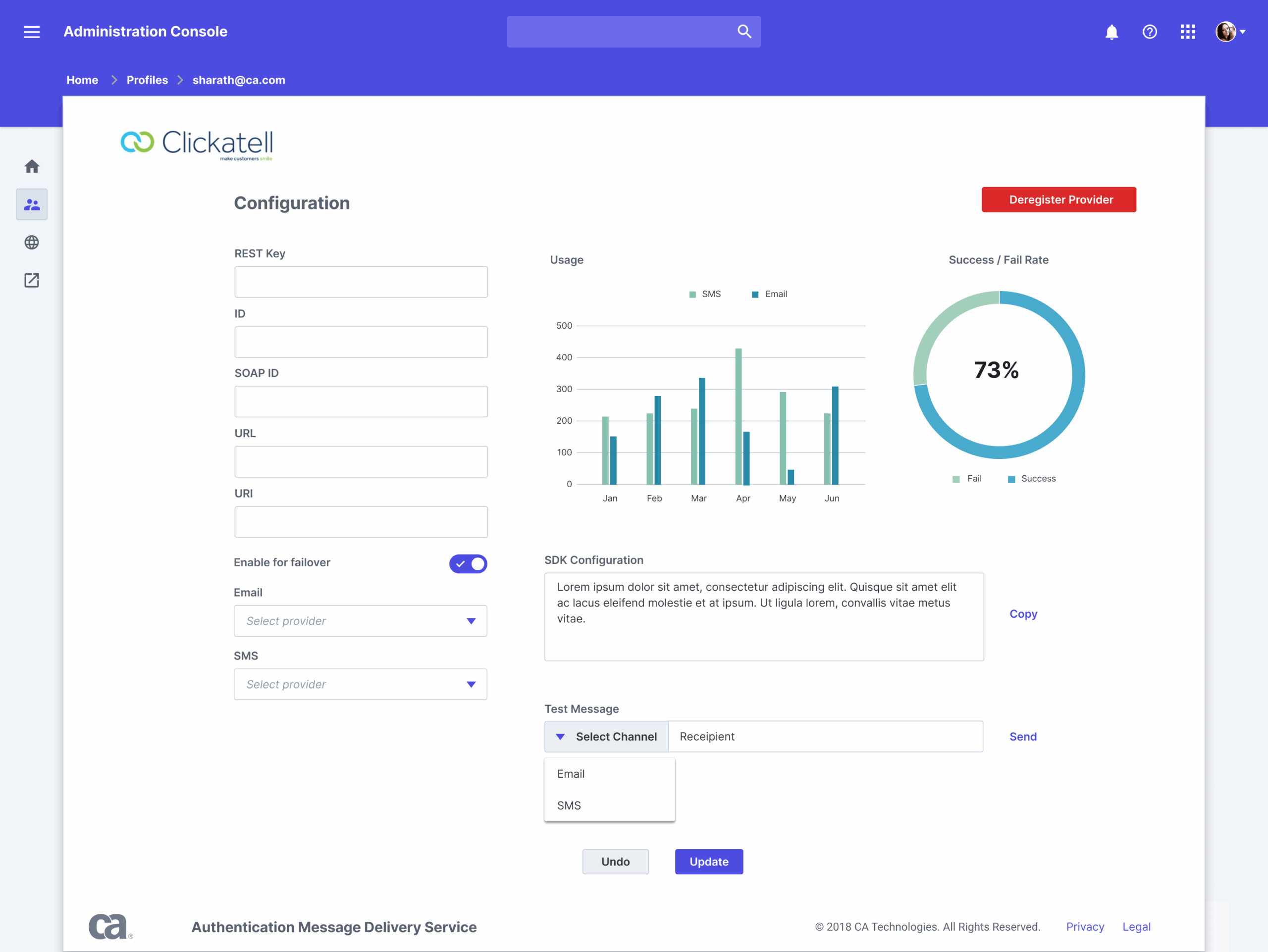
Redesigned an internal web-based tool used by service engineers to configure messaging service providers. The goal was to simplify overly complex workflows, modernize the dated UI, and add data visualization features to eliminate manual Excel exports.
Note: This project was discontinued before implementation due to Broadcom's acquisition of the parent company. Non-critical and non-customer-facing projects were stopped and shelved during the reorganization.
The Problem
Service engineers were struggling with a tool that made even simple tasks unnecessarily complex. The interface looked dated—a legacy appearance that didn't match modern design standards—and basic functionality was missing:
No Search
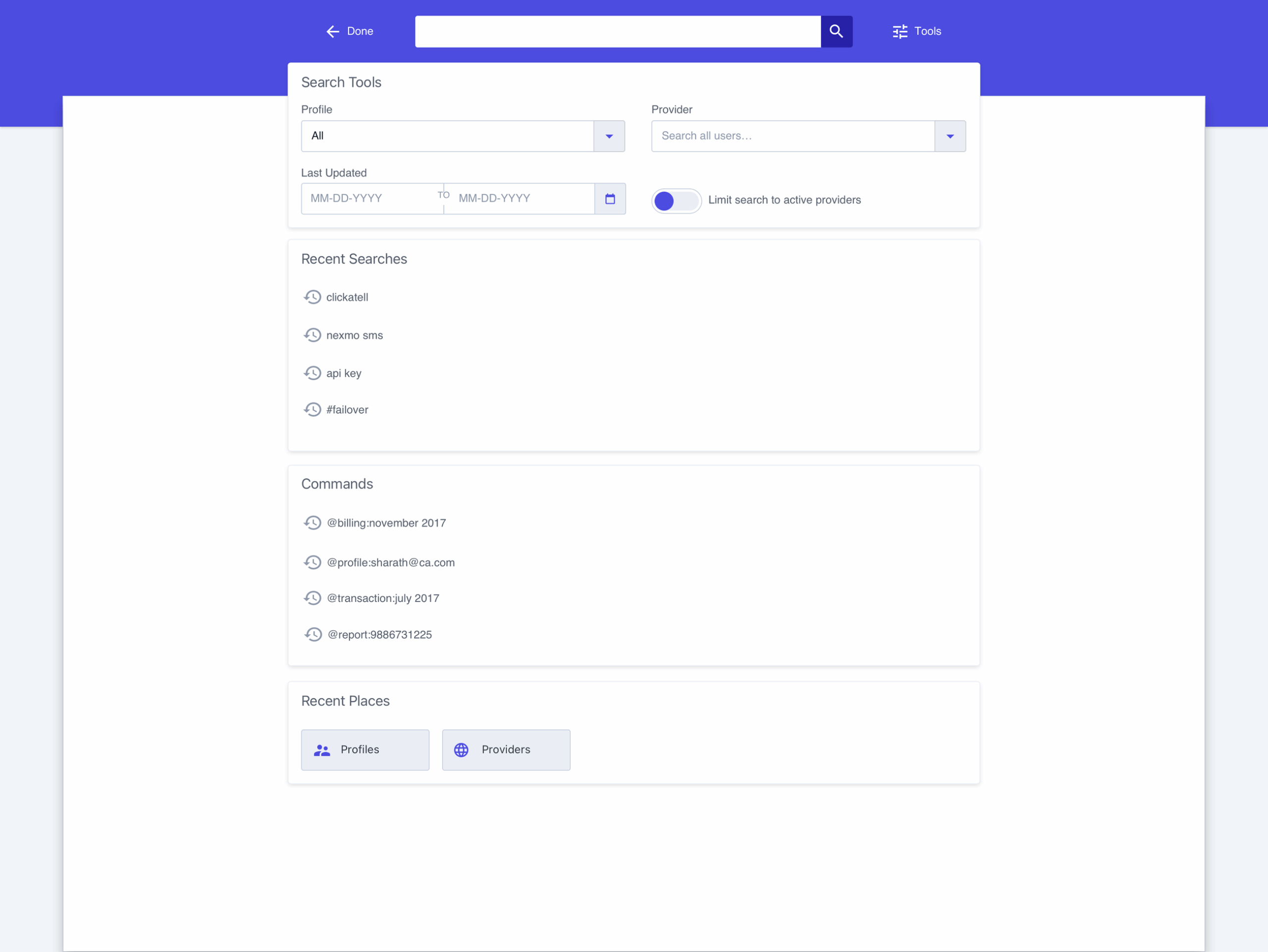
Finding existing message delivery providers meant manually scrolling and hunting. There was no search functionality at all.
No Usage Visibility
Understanding which channels were using which providers required guesswork or external tracking.
Manual Data Visualization
Engineers were exporting usage data and creating charts in Excel because the application provided no built-in visualization. This extra step slowed down decision-making.
Complex Workflows
Even routine configuration tasks required navigating through unnecessarily complicated flows.
These issues weren't just annoying—they potentially impacted productivity and job satisfaction for engineers who relied on this tool daily.
Research
I conducted informal interviews with service engineers during casual gatherings (sometimes the best insights come from conversations over coffee). Together, we prioritized the most important screens for improvement.
Key Findings:
Search functionality was the #1 missing feature
Usage data by channel was critical for decision-making
Creating visualizations in Excel was a frustrating workaround
The outdated UI affected how engineers felt about their tools
Workflow simplification could save significant time
Surprising Insight:
The realization that engineers were routinely exporting data just to visualize it in Excel revealed a clear opportunity. Building charts directly into the application would eliminate an entire step and speed up analysis considerably.
Design Approach
I created high-fidelity mockups and interactive prototypes for the prioritized screens. Working closely with service engineers, I validated these mockups before any code was written.
A significant part of this project was implementing the Mineral Design System—our internal style guide. The Message Delivery Application served as the first candidate to adopt this system, ensuring visual consistency and modern design principles.
I focused on features that would have immediate impact: search, data visualization via column graphs, and streamlined workflows for common tasks.
The Solution
A modernized application addressing each pain point:
Powerful Search
Find message delivery providers instantly instead of scrolling through long lists. Search became a first-class feature, accessible from anywhere in the interface.
Built-In Data Visualization
Column graphs showing provider usage by channel—right in the UI where engineers need them. No more exporting to Excel for basic analysis.
Channel-Based Usage Insights
Clear visibility into which channels are using which providers, enabling data-driven configuration decisions.
Simplified Workflows
Streamlined processes for common tasks, reducing the number of steps and eliminating unnecessary complexity.
Modern Design System
The Mineral Design System brought a fresh, contemporary look with consistent components across all screens.
Implementation
Project Discontinued
Broadcom's acquisition of the parent company led to a re-evaluation of all ongoing projects. Non-critical and non-customer-facing initiatives, including this redesign, were stopped and shelved.
The mockups were completed and validated with users. Interactive prototypes demonstrated the new workflows. But development never began.
What I Learned
Corporate Changes Trump UX Work
Major acquisitions can instantly change priorities. A project with validated designs and enthusiastic users can still get canceled if it doesn't align with new business objectives.
Value of User Research, Even When Projects Don't Ship
The insights from these informal interviews—particularly around data visualization needs—remain valuable. They apply to other operational tools and future projects.
Design System Implementation Experience
Even though the application wasn't built, being the first project to implement the Mineral Design System taught lessons about applying consistent design systems that benefited other projects.
Importance of Project Categorization
During reorganizations, internal tools for internal users often face cuts before customer-facing products. Understanding where a project sits in business priorities is crucial, especially in times of corporate change.
The Reality Check
Sometimes you do everything right—user research, validation, modern design—and external factors still derail the project. It's frustrating, but it's the reality of working in organizations going through major changes.
Reflections
This project represents the gap between good design and shipped product. The work was solid: identified real problems, validated solutions with users, and created detailed implementation plans. But business realities intervened.
The research findings, the Mineral Design System implementation experience, and the validated approach to data visualization in operational tools—all of that has value beyond this specific project.
For service engineers still using the old application, the problems remain. But at least we know what would fix them.
Credits
Service Engineers: User research, feedback, and validation
Design Team: Mineral Design System creation
IT Department: Technical constraints and requirements
Project Management: Stakeholder coordination
Project Status: Discontinued before implementation due to corporate acquisition (Broadcom acquisition of parent company)
Selected Works
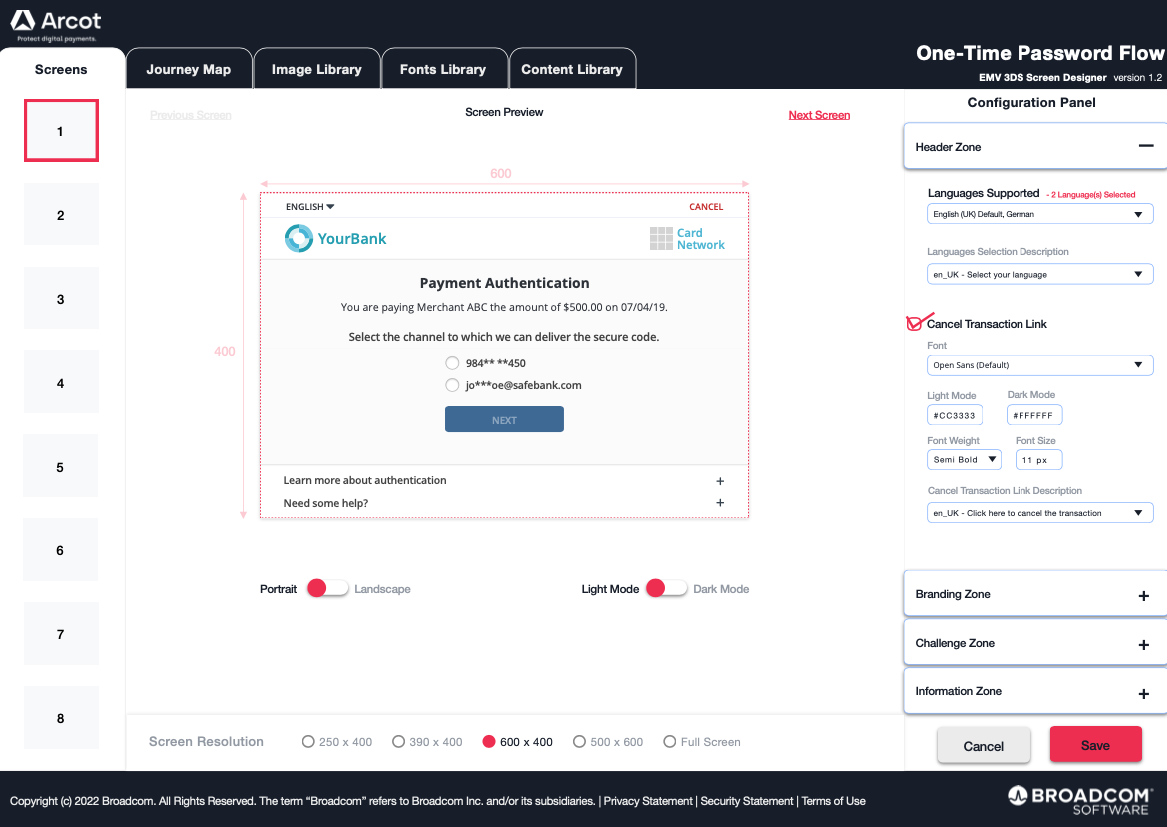
Cap EditorEnterprise SaaS / B2B
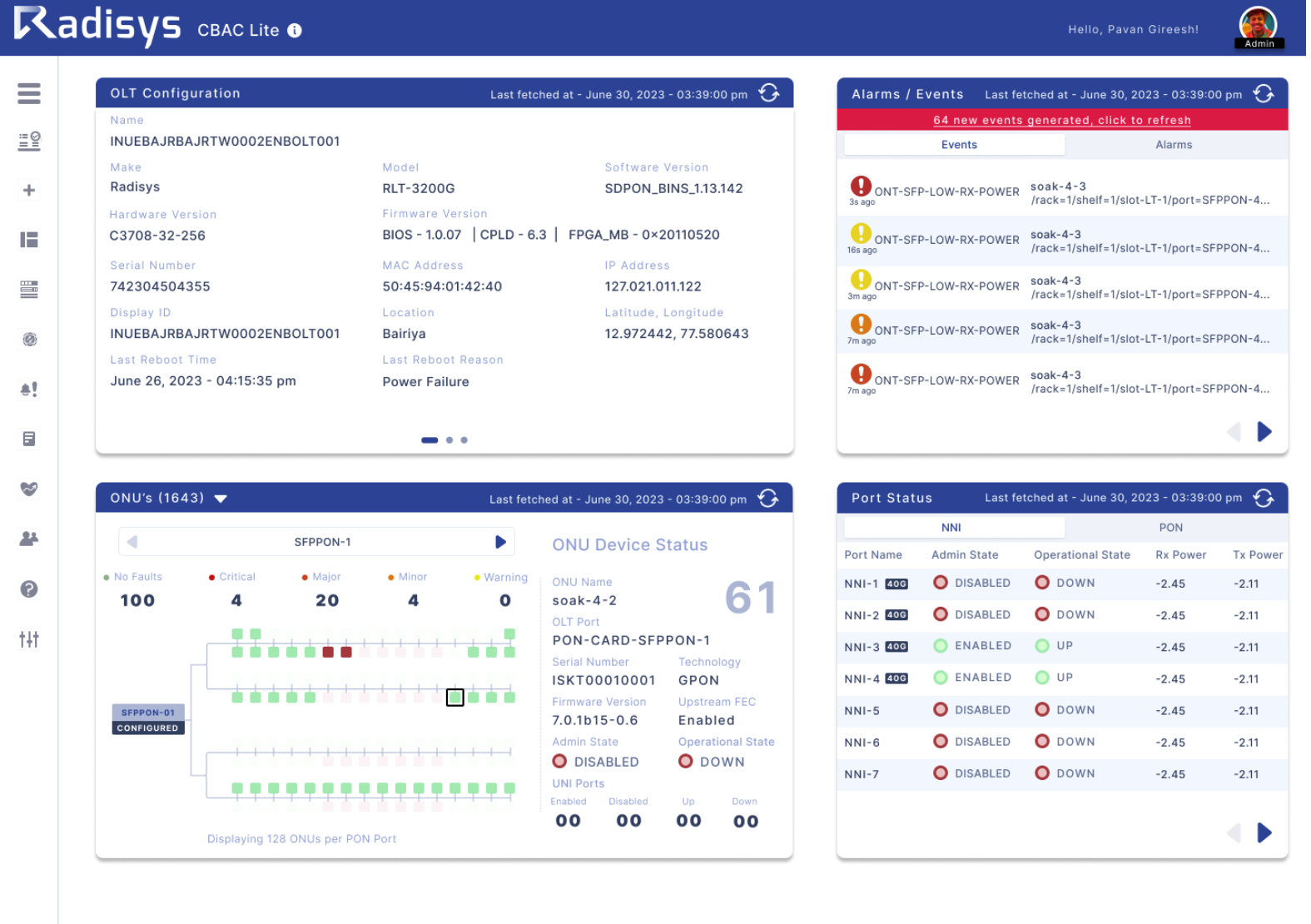
CBAC LiteEnterprise SaaS / B2B
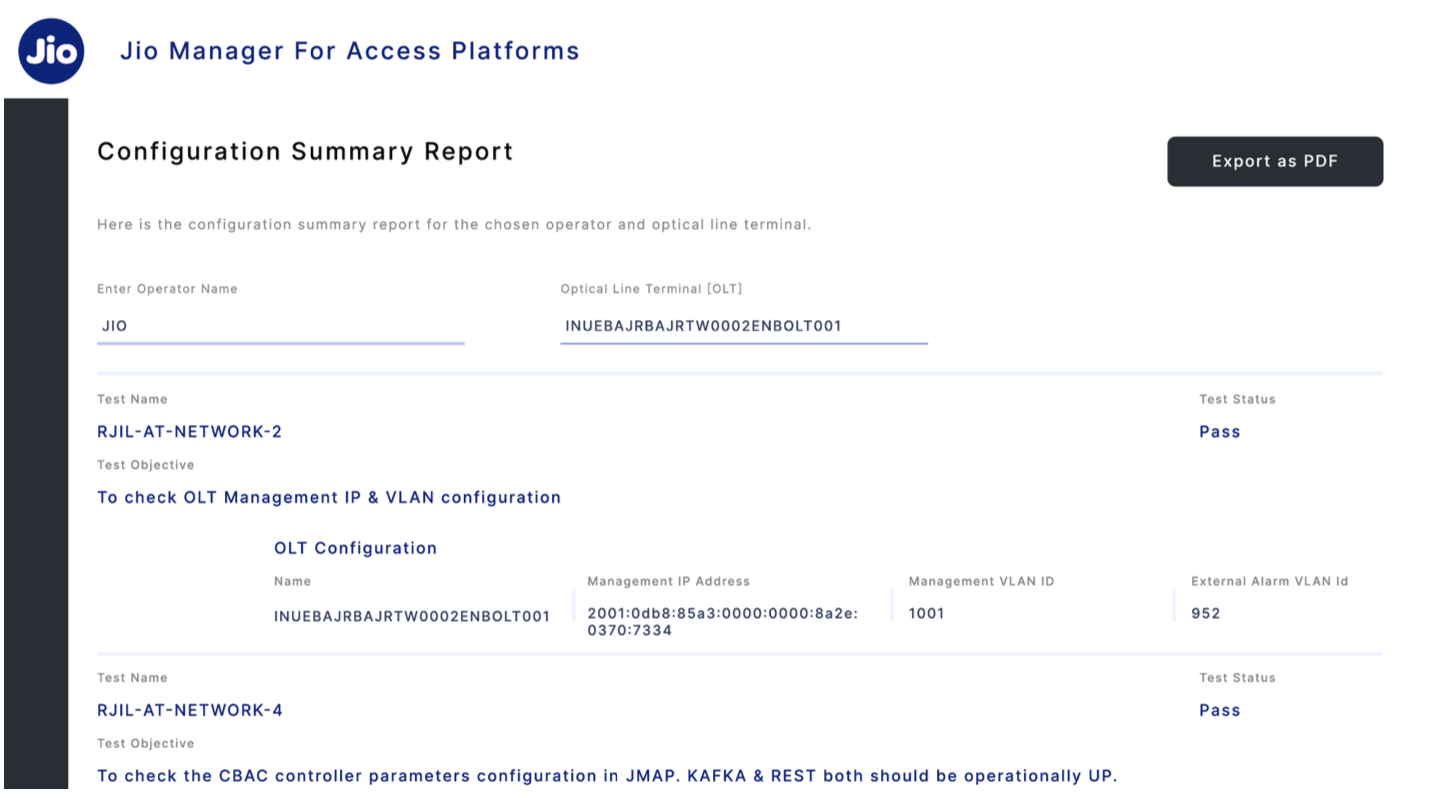
RMSEnterprise SaaS / B2B
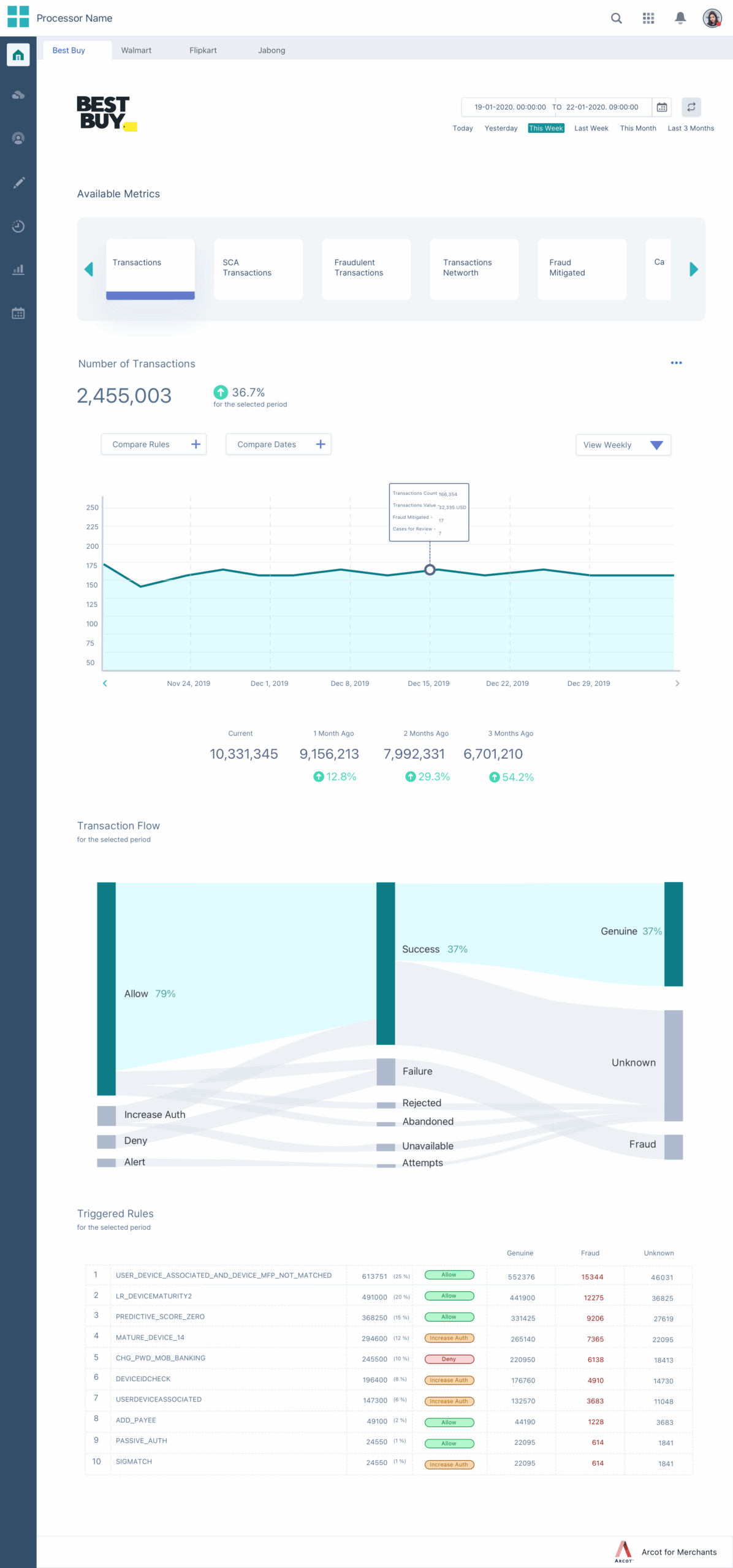
Merchant Risk AnalyticsEnterprise SaaS / B2B
Message Delivery ApplicationEnterprise SaaS / B2B
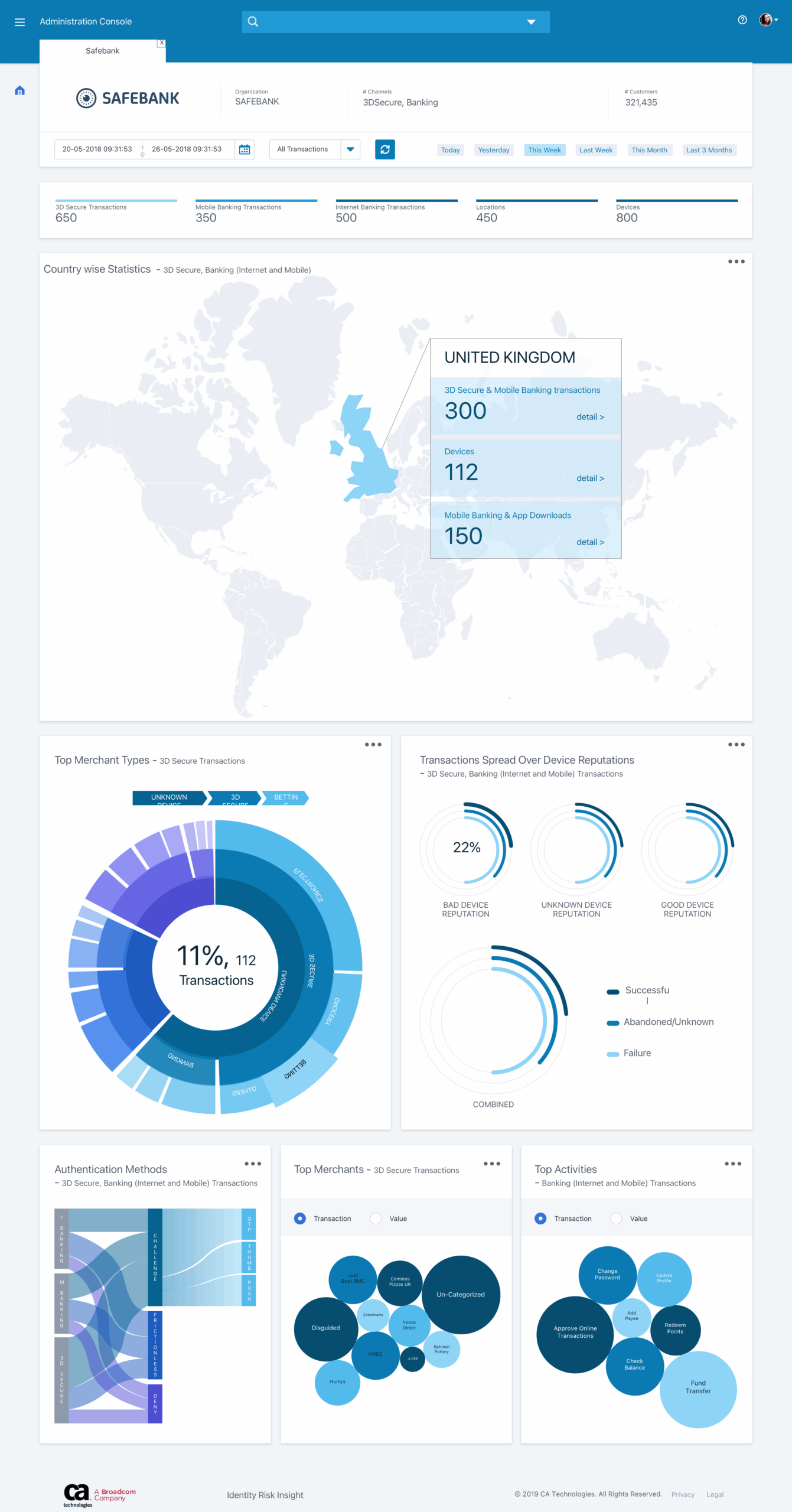
Digital Banking ApplicationEnterprise SaaS / B2B