Product Designer | Enterprise Products & Technical Systems
Bangalore, India | reachvinay@gmail.com | +91 988 673 1225
→
CBAC Lite - Network Management System for Small Broadband Providers
Role
UX Architect & Designer
Project Overview
Designed an affordable Network Management System for Tier-2 and Tier-3 Broadband Service Providers who couldn't afford expensive enterprise solutions. The goal was to bring complete network management capabilities to smaller providers expanding fiber broadband in rural and underserved areas.
The Challenge
Small broadband providers in Tier-2 and Tier-3 cities wanted to expand their fiber networks but were priced out of the market. Enterprise-grade Network Management Systems cost too much, and these providers typically managed only 2-3 OLTs compared to larger operators. Capital expenditure was their biggest pain point, and without affordable tools, broadband expansion in non-urban areas was stuck.
Research & Discovery
I worked with our Pre-Sales team who acted as customer proxies, and analyzed third-party research from Heavy Reading's 2023 survey. The findings were clear:
Most BSPs wanted to expand in Tier-2 and Tier-3 cities
They needed complete NMS functionality at a fraction of the cost
The federal BEAD program was making them more open to investment
Their networks were smaller scale (2-3 OLTs vs enterprise-level)
Design Approach
I leveraged our existing Radisys Management System (RMS) as a starting point—we already had validated personas and workflows. My job was to prioritize what mattered most for the MVP and adapt it for smaller-scale operations.
I created high-fidelity mockups for the prioritized workflows, then validated them with Product Managers, Pre-Sales, Technical Architects, and the UI team. This early validation was crucial—it kept everyone aligned and caught issues before development started.
The Solution
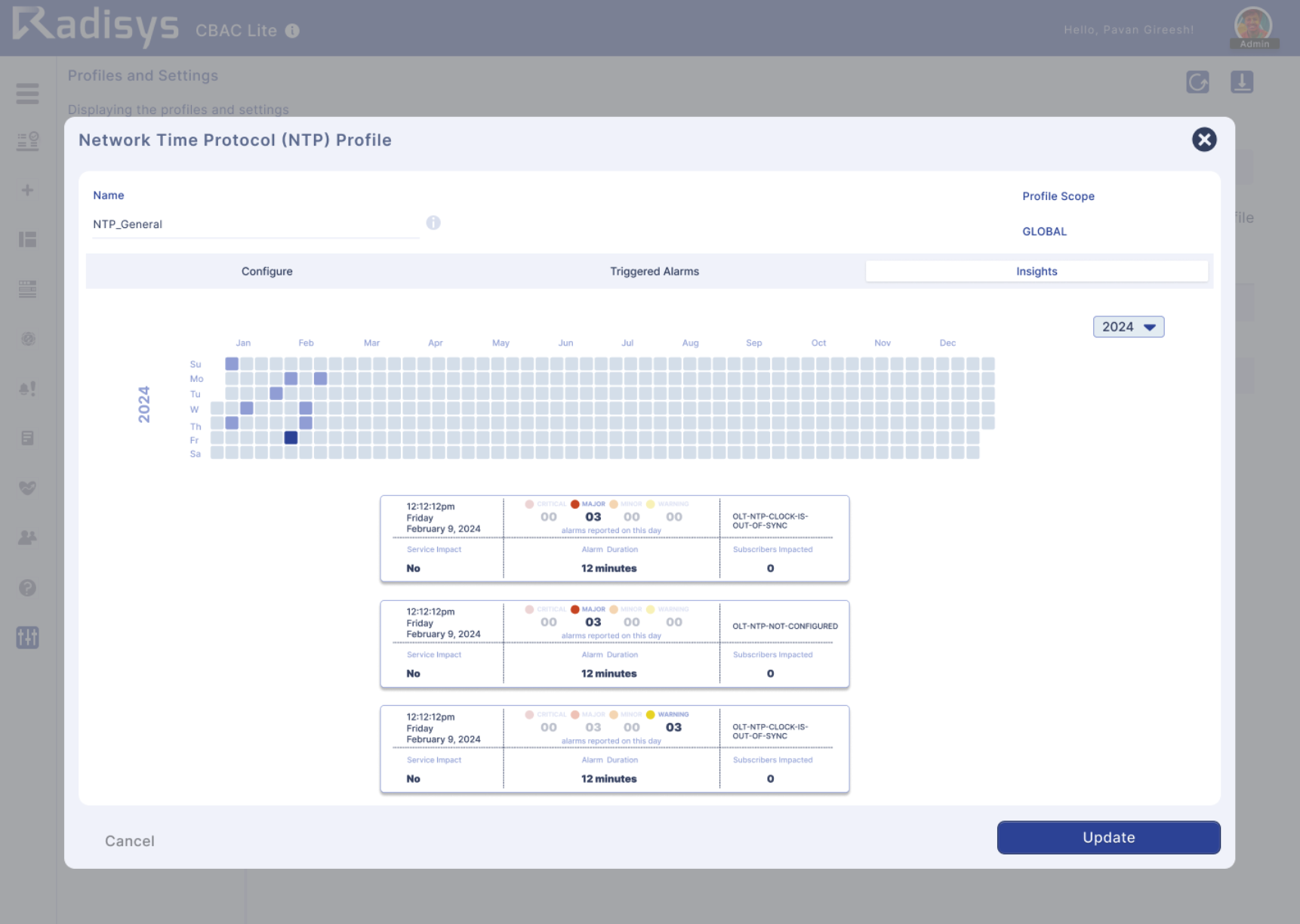
CBAC Lite is a role-based web application designed specifically for small-staffed teams managing smaller networks:
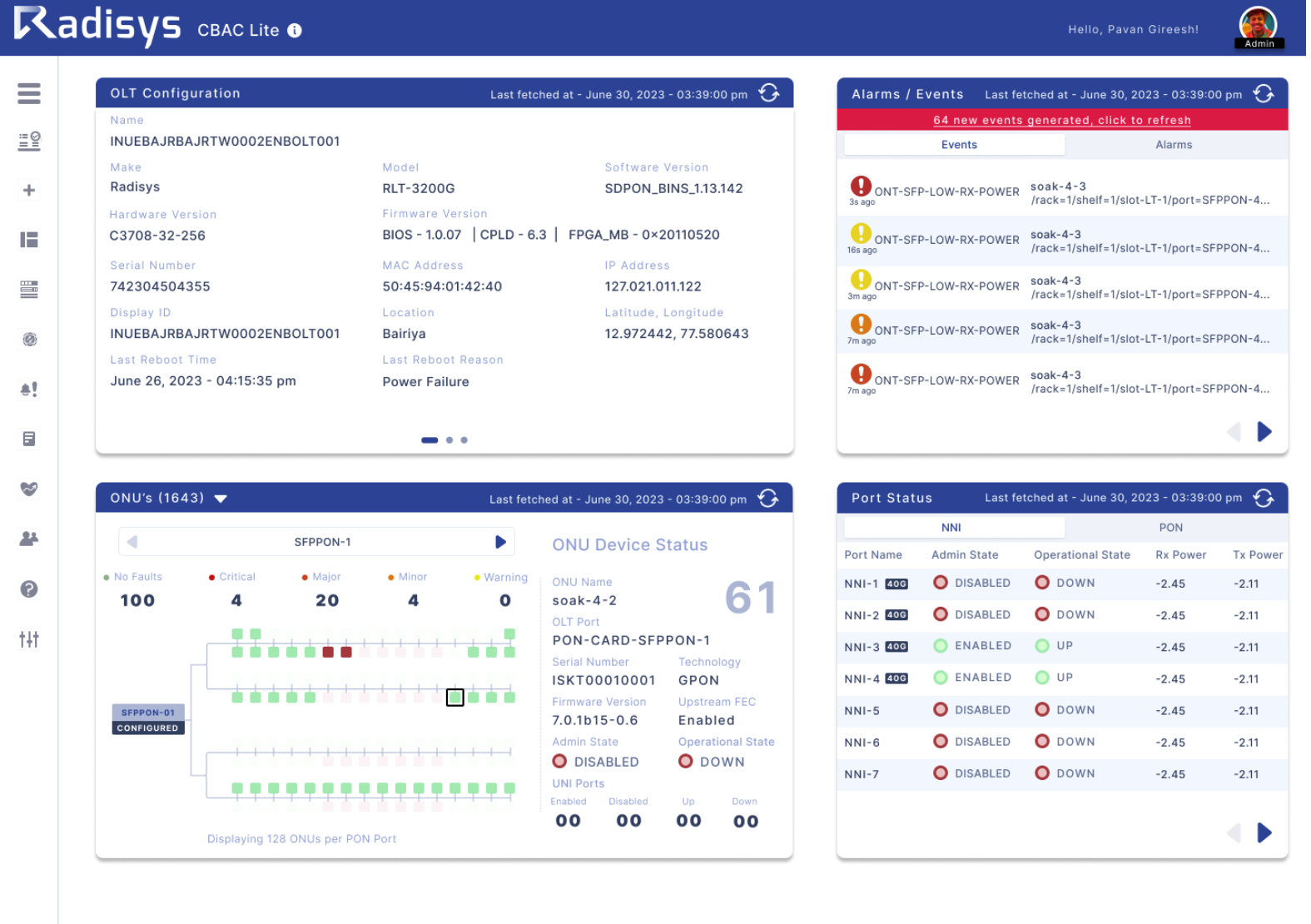
Information-Rich Dashboard
Everything you need to see at a glance—network health, alerts, and key metrics in one place.
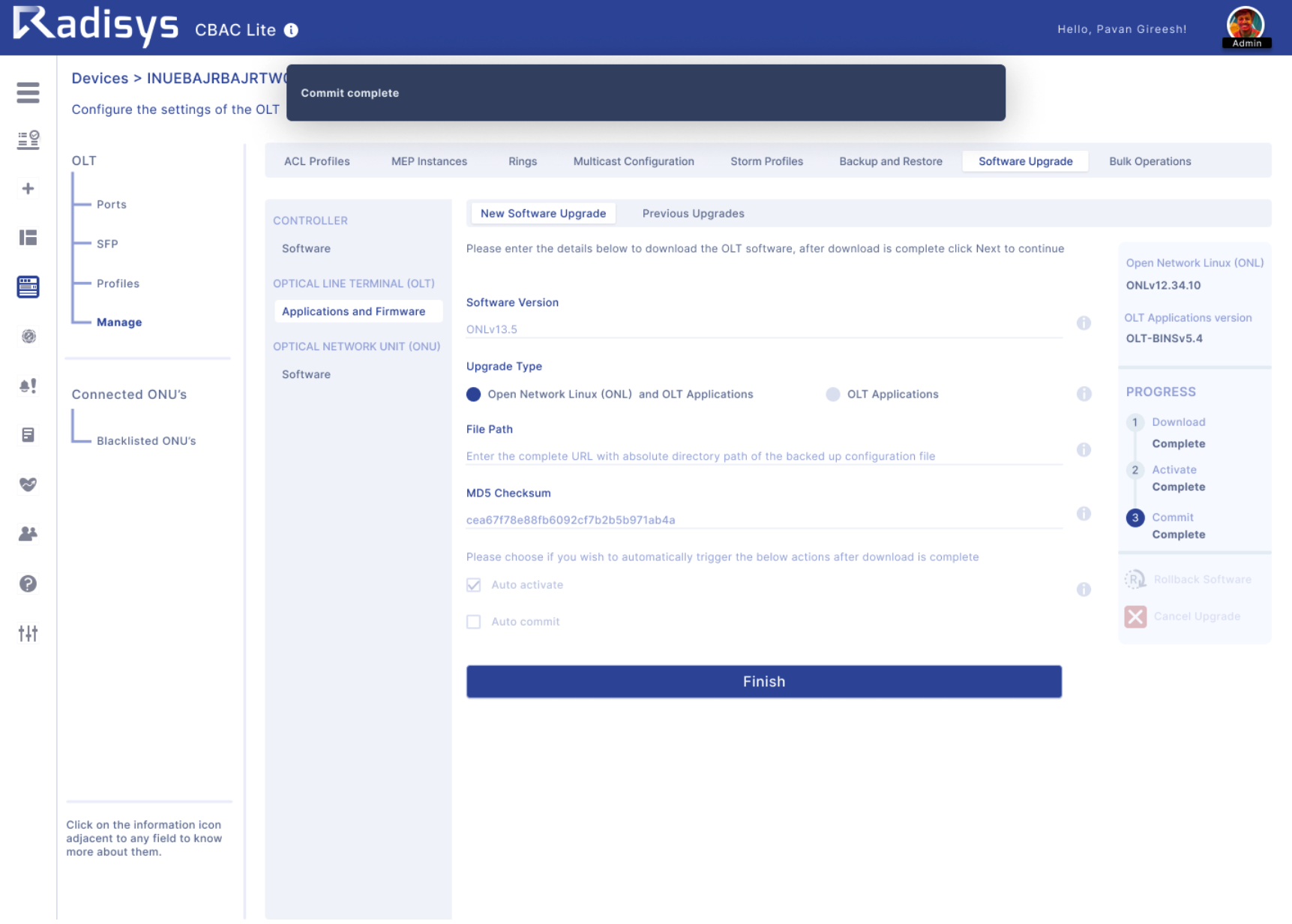
Simplified FCAPS Workflows
Complete Fault, Configuration, Accounting, Performance, and Security functionality, but streamlined for teams without dedicated specialists for each area.
Optimized Performance
The UI architecture was designed to run on modest hardware—no high-end servers required. This directly addressed the cost concerns from our research.
Role-Based Access
Even small teams needed proper access controls. We built this in from day one.
Implementation & Results
The product went from concept to release in approximately 6 months. The early validation work paid off—the UI team shipped in record time because we'd already ironed out the concepts and had detailed mockups to work from.
Currently in pre-sales discussions with potential customers. While we don't have usage data yet, the feedback from prospects has been positive—they finally have an option that fits their scale and budget.
What I Learned
Getting users involved early makes all the difference. The surveys and validation sessions kept us focused on real problems, not assumptions. And leveraging existing knowledge (from RMS) while adapting to new constraints was the right balance—we didn't start from zero, but we didn't just copy-paste either.
Working with such clear constraints (low hardware requirements, small networks, limited staffing) actually made the design decisions easier. When you know exactly what you're solving for, prioritization becomes clearer.
Credits
Pre-Sales Team: Customer research and validation
Product Managers: Requirements and prioritization
Technical Architects: Technical feasibility and system design
UI Development Team: Implementation
Selected Works
Cap EditorEnterprise SaaS / B2B
CBAC LiteEnterprise SaaS / B2B
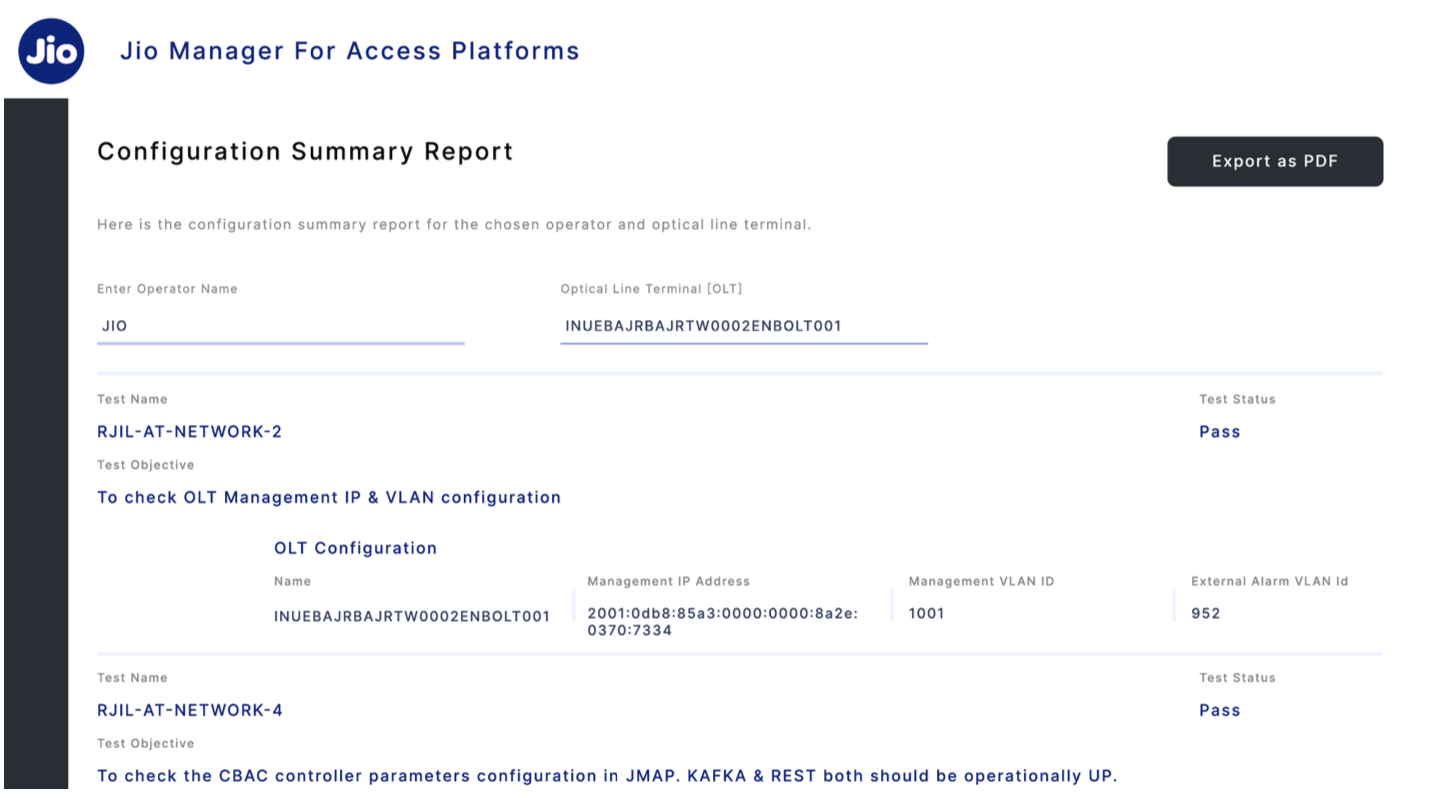
RMSEnterprise SaaS / B2B
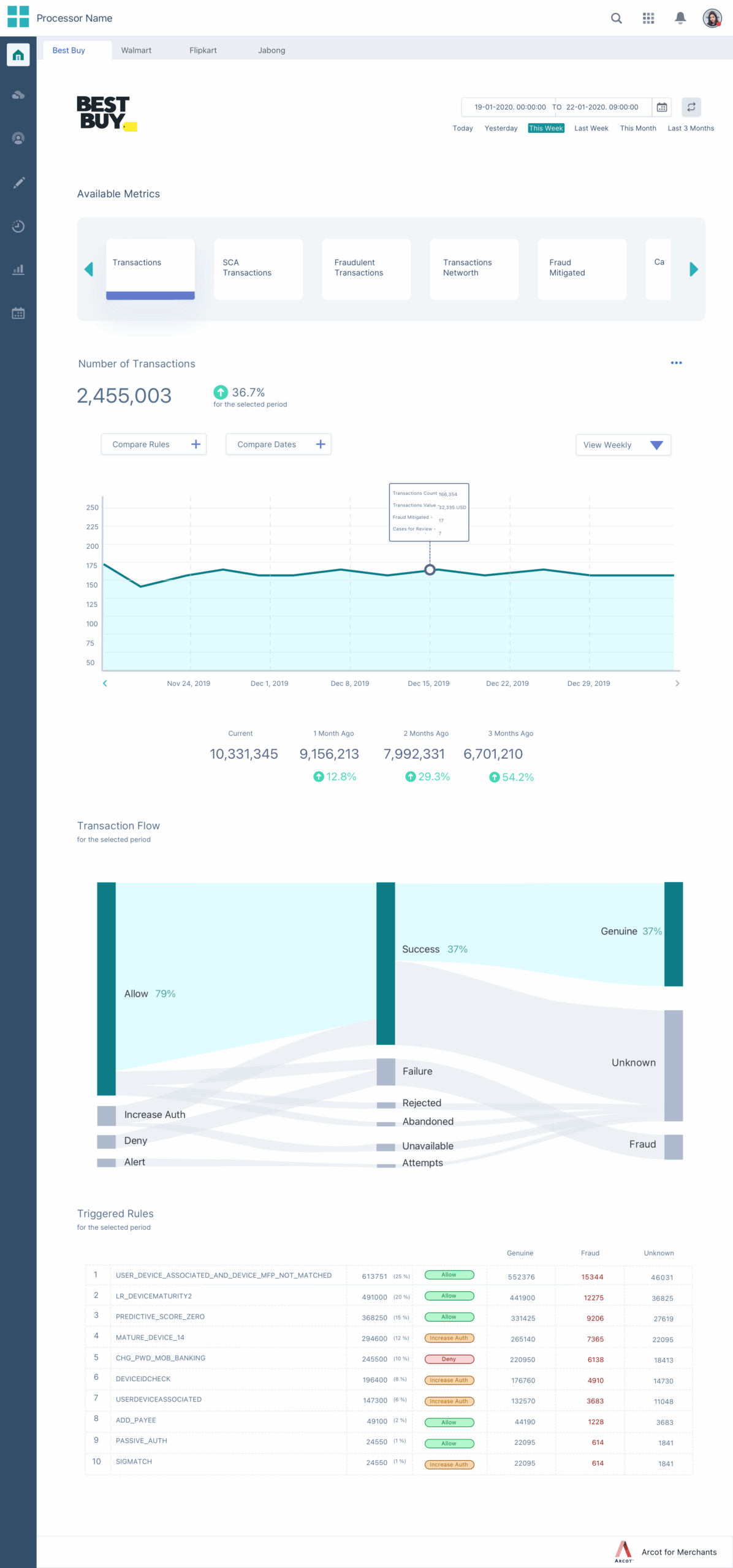
Merchant Risk AnalyticsEnterprise SaaS / B2B
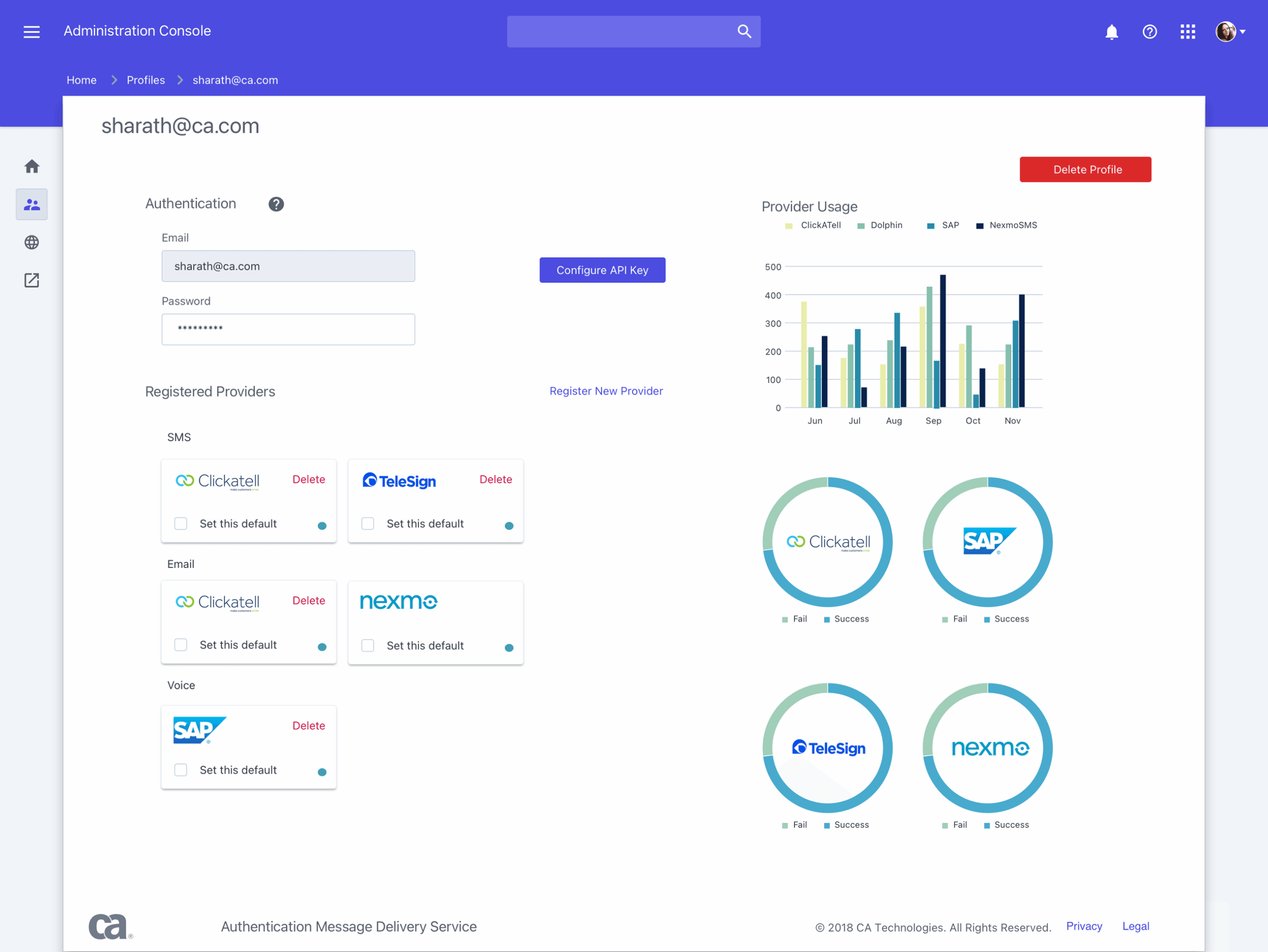
Message Delivery ApplicationEnterprise SaaS / B2B
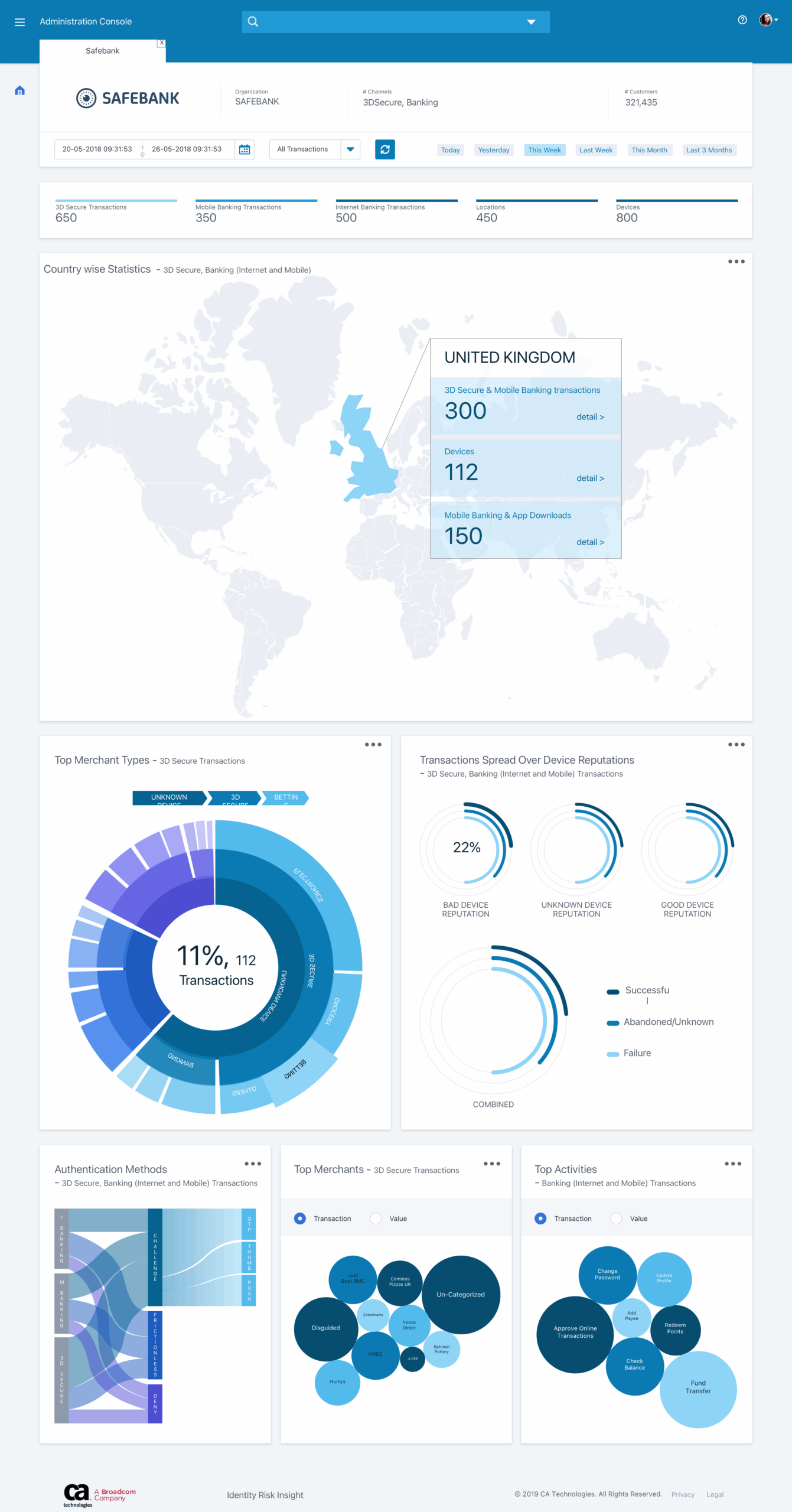
Digital Banking ApplicationEnterprise SaaS / B2B